

The parts a mold can’t make
Generative design produces geometry with no draft angles, no parting line, no uniform walls. A look at a printed drone frame that could never leave a mold, and what that freedom means for ordinary parts.
Generative design produces geometry with no draft angles, no parting line, no uniform walls. A look at a printed drone frame that could never leave a mold, and what that freedom means for ordinary parts.

On a printer, a plate of unique parts costs the same as a plate of identical ones. What a 3D printed wrist cast teaches about serialized, personalized, and variant-heavy production.
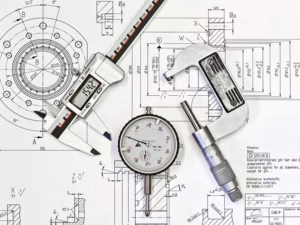
What tolerances can production SLA 3D printing actually hold? Real numbers by part size, what moves them, and how to spec a drawing that won’t inflate your quote.

No CAD file for your part? How manufacturing actually starts from a sample or sketch: modeling hours, real costs, and the three kinds of projects we see.
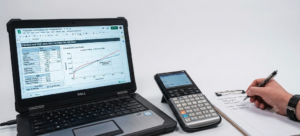
How much does 3D printing cost per part? Real production numbers: 5 to 20 cents for small parts, what drives the price, and where the math beats tooling.
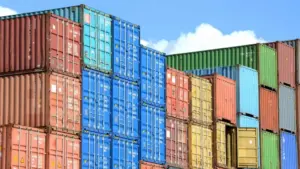
3D printing has no minimum order quantity. Here’s what MOQ-free manufacturing means for mid-volume parts, with real numbers from a Utah production floor.
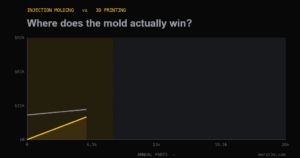
Slide the numbers, see the crossover. The interactive break-even chart plus the four factors that move the real answer — lead time, revisions, inventory, and cash.
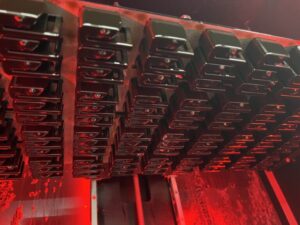
DfAM optimizes a single part. DfMPAM optimizes the whole build plate. Here is why production additive shops need a new design discipline.
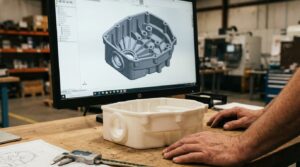
When a CAD file designed for injection molding gets sent to a print shop, a different set of questions comes up. Here’s what we look for at Merit3D.
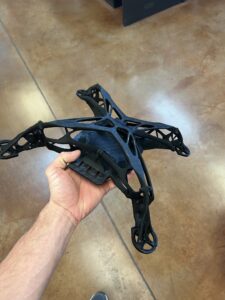
Draft angles and uniform walls are smart for a mold and wasted on a printer. A field guide to design for additive manufacturing — and why part consolidation pays.