
Automotive 3D Manufacturing Solutions
OEM and Aftermarket Production with Merit 3D
The automotive industry moves fast. Manufacturers need reliable partners that can deliver high volumes of production parts while reducing supply chain risk and shortening development cycles. Merit 3D works directly with automotive companies, Tier suppliers, and aftermarket brands to mass produce durable plastic components using advanced additive manufacturing.
Companies partner with automotive manufacturers that need scalable production for OEM or aftermarket parts. From initial design optimization to full scale production, Merit 3D provides a manufacturing solution that allows automotive companies to move from concept to market faster while maintaining quality and consistency.
By leveraging high speed additive manufacturing technologies, Merit 3D helps automotive companies produce thousands of parts per day without the cost and delays associated with traditional tooling or overseas suppliers
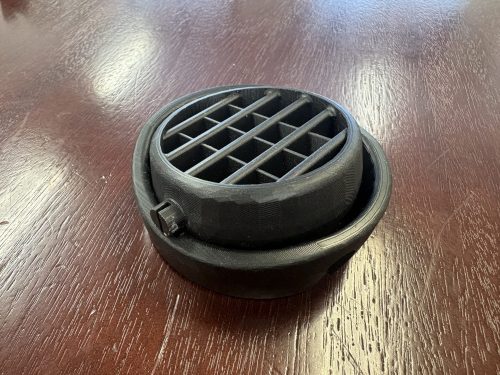
Certified & Trusted by Automotive Leaders for Mass Production


Why Automotive Manufacturers Choose Merit 3D
Production in Weeks, Not Months
Traditional manufacturing methods like injection molding require tooling that can delay your product launch by months or more. With advanced SLA & SLS additive manufacturing, we deliver production-ready parts in weeks, not months, so you can accelerate product releases and stay ahead of seasonal demand cycles.
Zero Tooling Cost
Outdoor gear often demands optimized shapes, lightweight materials, and ergonomic features. Additive manufacturing enables intricate geometries, internal lattices, and part consolidation that would be costly or impossible with traditional tooling. This design flexibility improves performance and user experience.
Scalable Production Without Tooling Costs
Whether you need a few hundred parts or tens of thousands, Merit3D scales with your needs without expensive tooling investments. By eliminating mold tooling costs, brands can reduce upfront expenses and focus on innovation, not manufacturing barriers.
Made in the USA
All parts are manufactured domestically, strengthening supply chain resilience and reducing overseas dependency. This localized manufacturing also means reduced shipping delays and easier quality control.
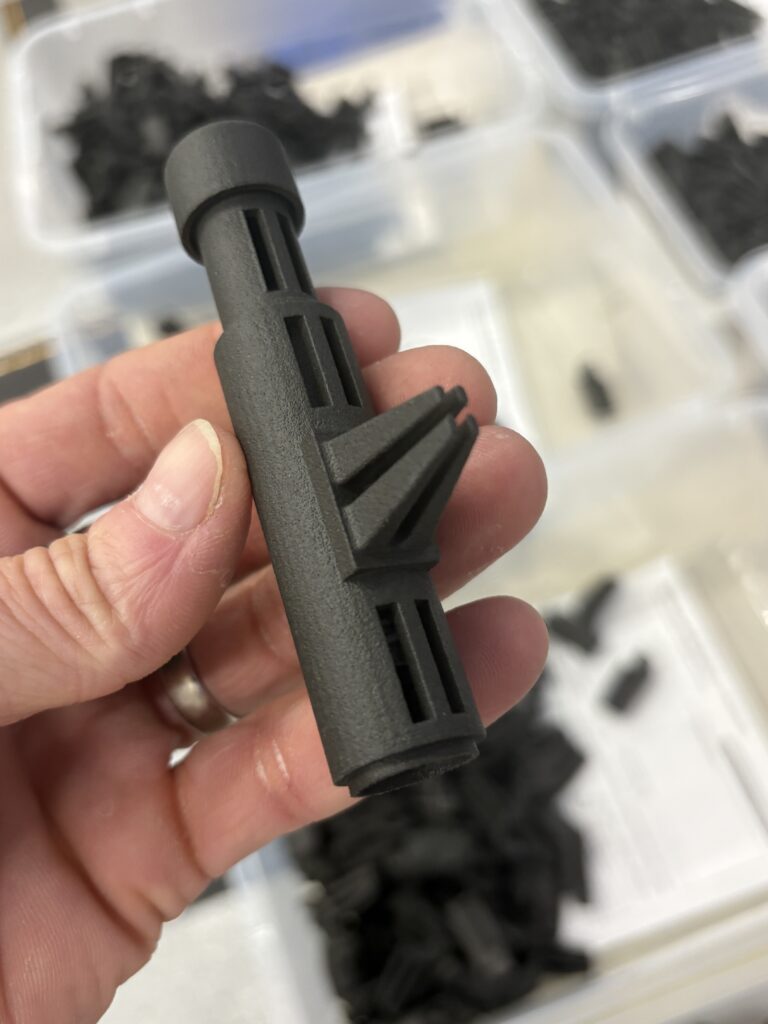
Scalable Manufacturing for Automotive Brands
Automotive brands partner with Merit 3D to manufacture components at scale while maintaining full control over their product design, branding, and distribution.
Instead of investing in expensive molds or waiting months for overseas production, automotive manufacturers can work with Merit 3D to produce parts domestically and scale production based on demand.
Key advantages include:
Domestic production in the United States
- No tooling or mold costs required
- Rapid transition from prototype to production
- Flexible production volumes from hundreds to millions of parts
- Faster product launches and design updates
Because additive manufacturing eliminates tooling requirements, the same design used during prototyping can often become the final production part. This dramatically shortens development cycles and reduces time to market.
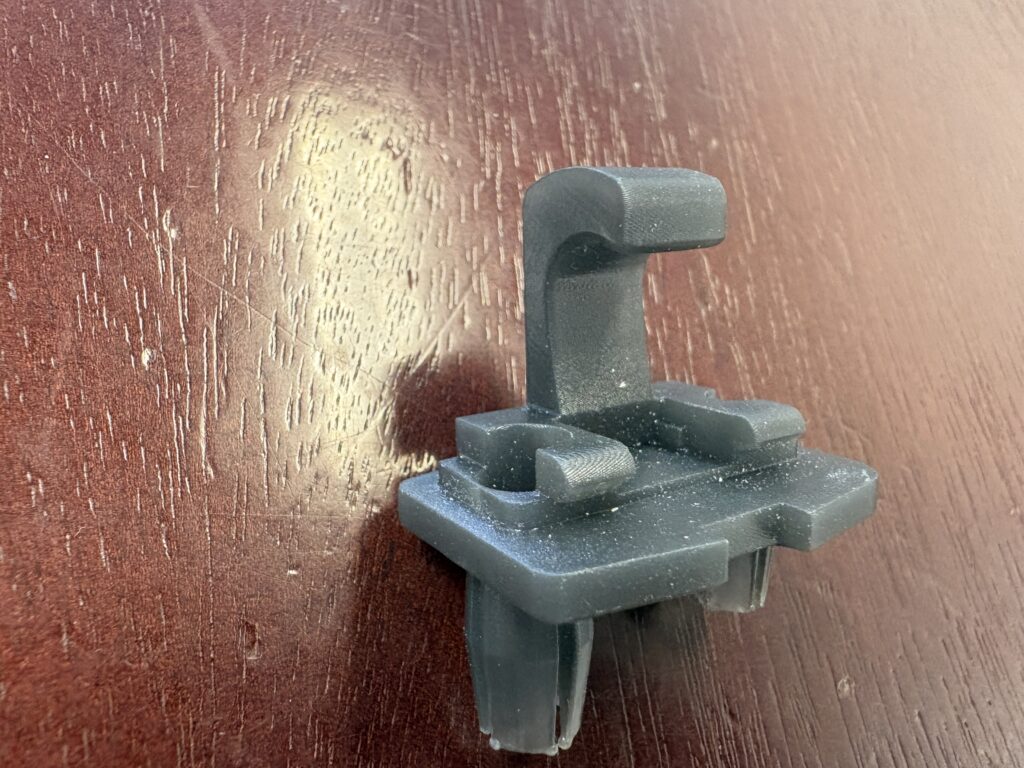
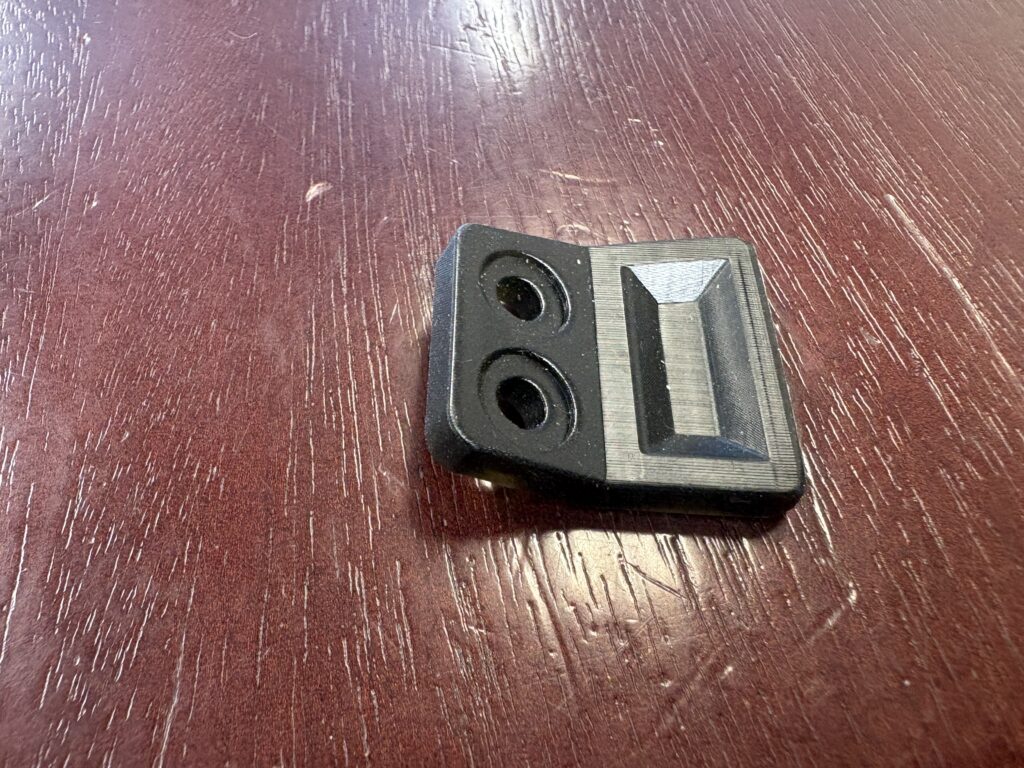
OEM Automotive Component Production
Automotive manufacturers and Tier suppliers often need a reliable production partner capable of manufacturing specialized components at scale. Merit 3D works with these companies to produce OEM components that integrate directly into vehicle systems or accessories.
Common OEM automotive components that can be manufactured include:
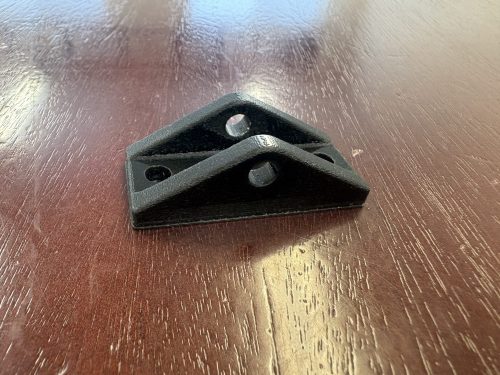
- Mounting brackets
- Interior clips and fasteners
- Sensor housings
- Cable management components
- Dash or trim hardware
- Light duty structural components
- Custom enclosures for electronics
Because additive manufacturing allows complex geometries without tooling limitations, engineers can design parts specifically for performance and manufacturability.
Aftermarket Automotive Parts Manufacturing
The aftermarket automotive industry thrives on innovation and customization. Merit 3D enables aftermarket brands to launch new products quickly and produce them at scale without the high upfront costs associated with injection molding.
Typical aftermarket parts include:
- Mounting systems for accessories
- Custom brackets and adapters
- Interior upgrades and accessories
- Protective housings
- Performance support components
- Specialty automotive accessories
This approach allows aftermarket brands to test new products with smaller production runs and quickly scale to larger volumes when demand increases.
Built for High Volume Production
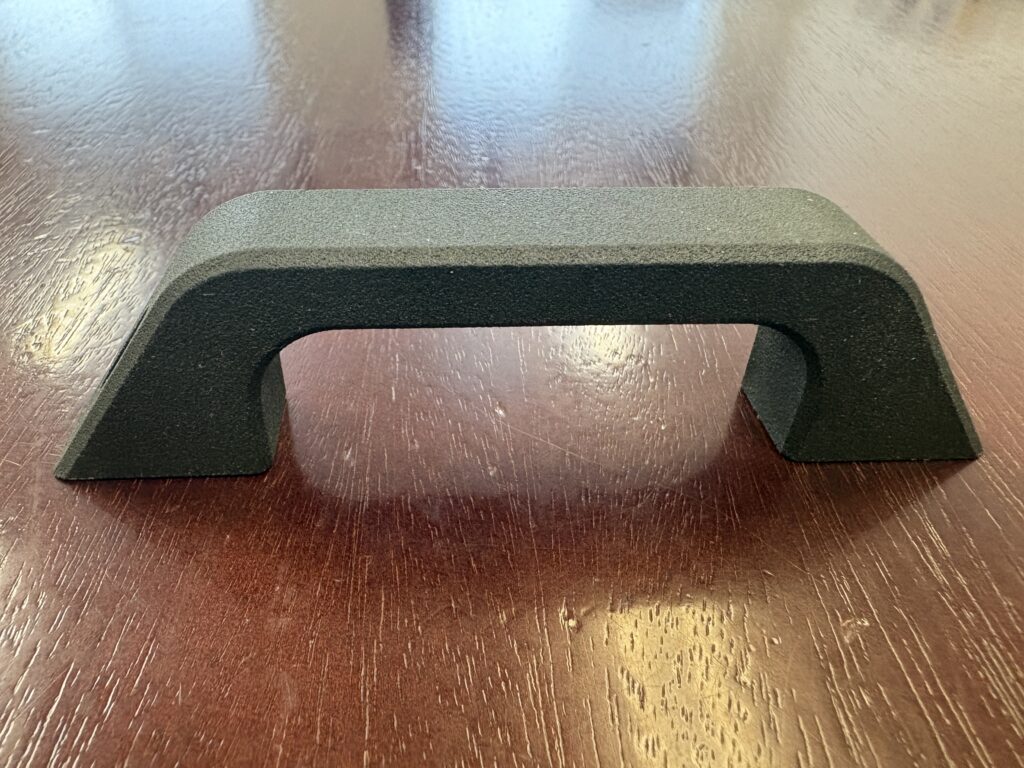
Merit 3D operates large scale additive manufacturing systems designed specifically for mass production. In many cases, thousands of parts can be produced per day depending on part size and complexity.
Production capabilities include:
- Up to 100,000 small parts per day depending on design
- Layer resolutions as fine as 50 microns for detailed parts
- Durable engineering grade polymer materials
- Consistent repeatable production quality
- Production runs from hundreds to millions of parts
Merit 3D has already demonstrated the ability to fulfill extremely large manufacturing orders, including projects involving hundreds of thousands to over one million parts.
This level of scalability makes additive manufacturing a viable production method for many automotive applications.
Faster Supply Chains for Automotive Manufacturing
Automotive companies often rely on complex global supply chains that introduce delays, tariffs, and inventory risks. Merit 3D helps manufacturers simplify production by producing parts domestically and on demand.
Benefits for automotive manufacturers include:
- Reduced shipping delays
- Lower inventory risk
- Faster response to market demand
- Simplified supply chain management
- Greater flexibility for design changes
Instead of ordering large overseas production runs months in advance, companies can produce parts as needed and keep inventory levels lean.
Engineering Support and Design Optimization
Many automotive parts were originally designed for injection molding or traditional manufacturing methods. Merit 3D works with automotive engineering teams to optimize designs for additive manufacturing.
Engineering support includes:
- Design for Additive Manufacturing (DFAM)
- CAD adjustments and model optimization
- Prototyping before full production
- Material selection guidance
- Production planning and scaling
This collaborative approach ensures parts are designed to maximize strength, manufacturability, and cost efficiency.
Ready to Transform Your Automotive Parts Line?
Elevate your product quality, speed up production cycles, and reduce costs with Merit3D’s 3D manufacturing solutions tailored for the automotive industry.
Get an instant estimate — upload your CAD file and see your part’s potential.
Partner with Merit 3D — where innovation meets instant production.
Ready to Start?
Get an Online Instant Quote
Automotive 3D Printing FAQs
3D printing is used across the automotive industry for prototyping, tooling, and increasingly for end-use production parts. It enables manufacturers to produce complex geometries, reduce development time, and move quickly from design to production without traditional tooling.
Yes. Modern additive manufacturing systems are capable of producing high volumes of parts, especially for smaller components. While not every part is a fit, many brackets, housings, clips, and interior components can be produced at scale with consistent quality.
3D printing is ideal for:
- Brackets and mounts
- Interior components
- Housings and enclosures
- Clips and fasteners
- Low load structural parts
- Custom or low volume specialty components
Parts that benefit from complex geometry or frequent design updates are especially good candidates.
3D printed parts can offer similar durability depending on the material and application. The biggest differences are that 3D printing does not require tooling and allows for more complex designs, while injection molding is typically more cost effective at extremely high volumes.
Common materials include engineering grade polymers such as nylon, glass filled nylon, and other high performance thermoplastics. These materials are chosen for their strength, heat resistance, and durability in automotive environments.
It depends on volume and application. 3D printing eliminates tooling costs, making it highly cost effective for low to mid volume production, rapid product launches, and parts that require frequent design changes. For very high volume parts, traditional methods may still be more economical.
Production timelines are significantly shorter compared to traditional manufacturing. Parts can move from design to production in days or weeks instead of months, especially since there is no need to create molds or tooling.
Yes. Many 3D printed parts are used in real world automotive applications. When designed correctly and paired with the right material, they can meet functional and durability requirements for a wide range of uses.
Some limitations include:
- Not ideal for all high load or high temperature components
- Surface finish may require post processing
- Cost per part can be higher at very large volumes
- Material selection is more limited compared to traditional manufacturing
Understanding these tradeoffs is key to selecting the right applications.
Yes. Many parts can be optimized using Design for Additive Manufacturing (DFAM). This can reduce weight, improve strength, and consolidate multiple components into a single part.
3D printing allows aftermarket brands to develop and launch new products quickly, test demand with smaller production runs, and iterate designs without the cost and delay of new tooling.