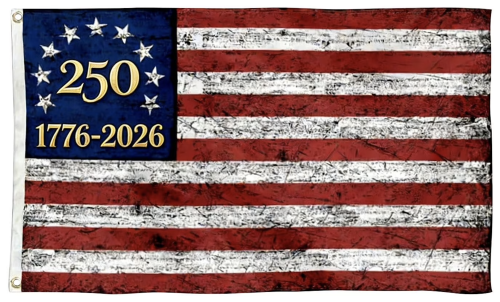
My name is Blake Merrell. I run operations at Merit3D, a production additive manufacturing shop in Price, Utah. Today the country I was born in turns two hundred and fifty years old, and I want to write about what that means to me, standing in the county my family made home more than a century ago.
My earliest American ancestor was a man named Nathaniel Merrill. He was born in a village called Wherstead, in Suffolk, England, in 1601, and baptized at St Mary’s Church the same day. He sailed for Massachusetts sometime before 1635 as part of what historians call the Great Migration — the wave of English settlers who crossed the Atlantic in the decades before the English Civil War. He was one of the founding proprietors of Newbury, on the north shore near the Parker River. He worked the land there as a yeoman farmer. He died in the winter of 1654, and on his deathbed dictated an oral will to his brother John, providing for his wife Susanna and his children. He is buried in Newbury, in what is still called the Burying Ground of the First Settlers.
That is the beginning of my family’s chapter in this country. It started with somebody who got on a boat because a village in Suffolk did not have the future he wanted for his kids.
Simeon Merrell, Connecticut Militia, May 1775
Six generations later, in the spring of 1775, one of Nathaniel’s descendants — a boy named Simeon Merrell — showed up at a recruiting station in Connecticut and enlisted in the Continental cause. The muster rolls put him in the 7th Regiment of the Connecticut Militia, Captain Mills’ Company, enlisted on the tenth of May and eventually marched to West Point. On paper he was eighteen years old.
He was fifteen. His birthday was in 1760, and the math is not complicated. He lied about his age to get in.
The tenth of May, 1775, is worth pausing on. Lexington and Concord had happened just three weeks earlier — the “shot heard round the world” fired on the nineteenth of April. The country did not yet exist. The word “American” did not yet mean citizenship. What existed was a set of colonies in open rebellion against the world’s most powerful empire, and a fifteen-year-old boy in Connecticut who decided that he was going to be part of it. He served for seven months. My guess is somebody in his unit eventually figured out how old he was and sent him home. He got there and lived until 1846. He is buried in the state he defended.
I do not know what possessed a fifteen-year-old in 1775 to walk into a militia office and lie about his age to join a war his neighbors had just started. I know what it looked like on the day. It looked like a boy who believed something enough to bet his life on it before he was old enough to legally sign the papers.
What Simeon was fighting for
The Revolution was not fought over tea. It was fought over the proposition that a group of people could govern themselves — could set up a shop, so to speak, and take responsibility for the outcome without asking a king’s permission. Whatever else two hundred and fifty years of American history has been, the founding proposition was about self-government and the freedom to build.
Simeon picked up a musket for that idea, at fifteen, in a war he had no legal business being in. His descendants — including me — got to inherit whatever came of it. A country where people could, over generations, start businesses, own land, raise families, teach their children to read, and decide for themselves what to do with their time. That is worth remembering on the country’s birthday. It is easy to lose sight of in a crowded holiday.
What “made in America” means from where I am standing
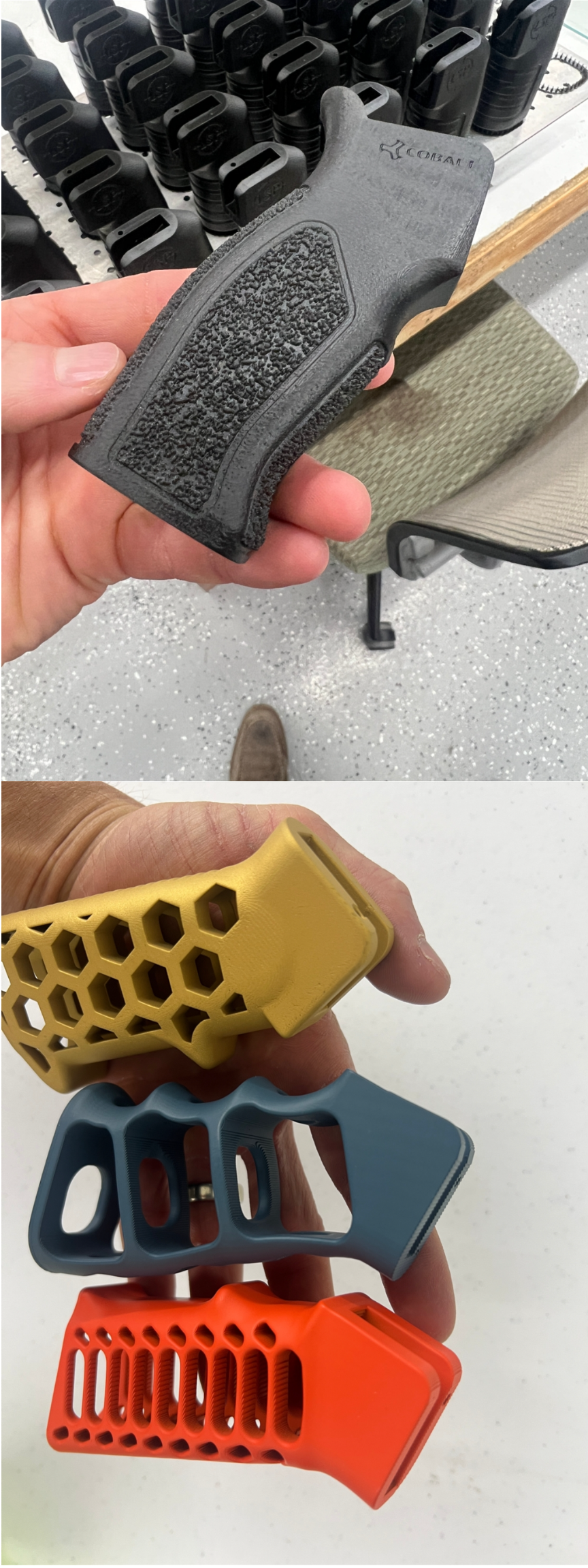
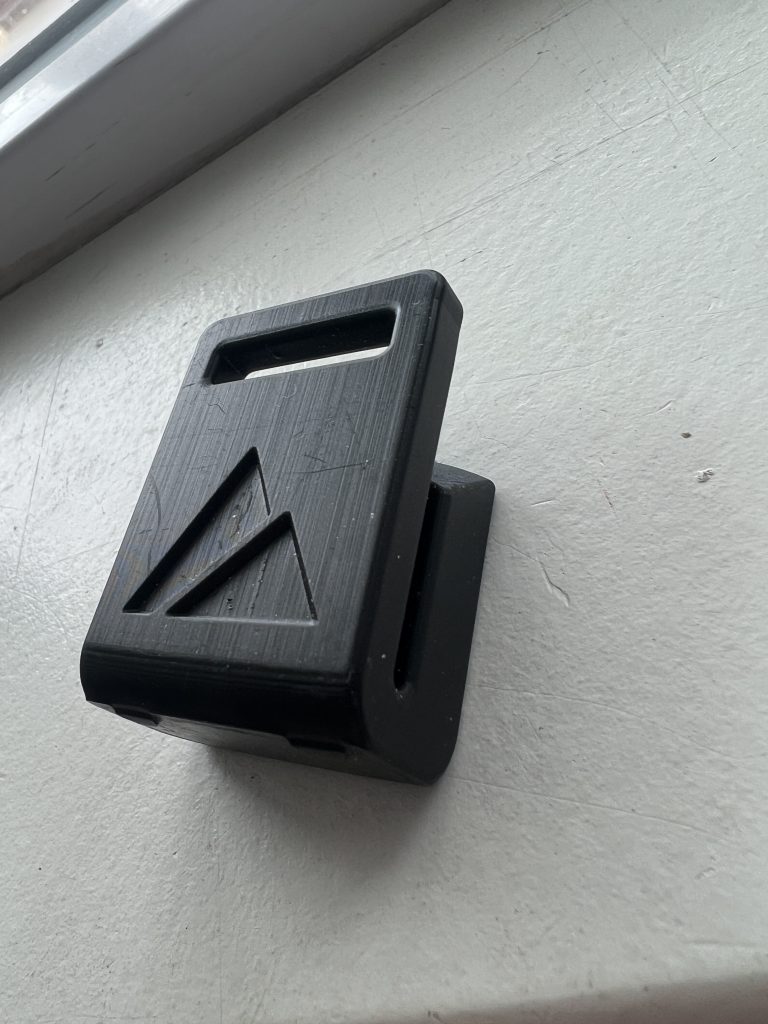
I run a shop that makes parts. Nylon powder sintering under a laser bed. Resin curing off an LCD screen. Large-format polymer extrusion. Parts destined for aerospace, defense, medical, outdoor gear, and a hundred other things Americans use every day and rarely think about.
“Made in America” is not a slogan for us. It is where the raw material comes from, who runs the machines, whose kids go to school in this town, whose paychecks are spent at the diner three blocks away. It is the property tax that funds the road our supplier drives in on. It is the traceability that lets us ship a certified part into an aerospace tier-1 or a defense prime and stand behind it with our own name.
Simeon Merrell did not lie about his age at fifteen to march to West Point so that his descendants could ship the country’s supply chain to a container yard in Long Beach. I hold that fact loosely.
Coal country, an inheritance
Carbon County is coal country. The coal seams that run under these mesas powered a good stretch of American industrialization through the twentieth century. Every steel mill in the East, every ammunition round produced during two world wars, every locomotive that crossed the continent — a piece of what made those things possible came from the ground under this valley.
That work has quieted. The industry that anchored the region for more than a hundred years is not what it was. Advanced manufacturing is a real answer to what comes next. It is a fitting answer, because the habits of industrial work that made Carbon County what it was — the shifts, the equipment discipline, the way an operator takes ownership of a machine — are the same habits a modern production additive floor needs. The tools have changed. The workforce culture has not.
What I am commemorating today
Not a flag. Not a myth. A set of ordinary commitments.
To Nathaniel, who got on a boat.
To Simeon, who lied about his age and picked up a musket.
To every Merrell in between, who kept the family in this country long enough for their descendants to end up in a valley in Utah running a shop.
To the country that, imperfectly and slowly, made room for all of them to build lives, run businesses, raise children, and decide what to do with their time.
To my kids, who will inherit whatever we hand them, in a form none of us can quite predict.
To the people who work at Merit3D, and the town they call home, and the county that shows up when we need something and asks for reasonable things in return.
The next twenty-five years
None of us knows exactly what the next twenty-five years of American manufacturing look like. What I can tell you is what comes off our shop floor now, and where we think that work is headed.
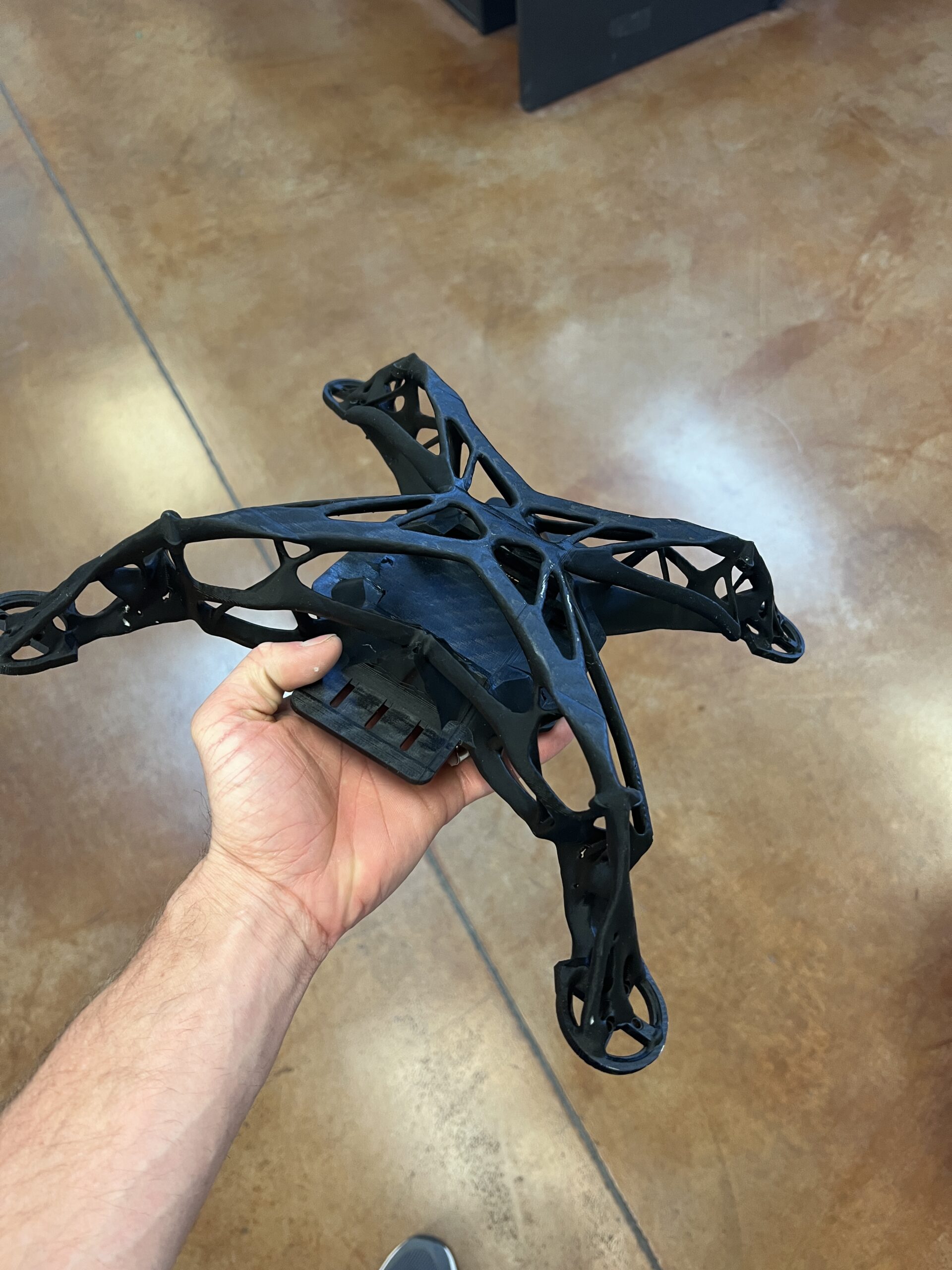
Additive manufacturing at production scale, in certified rural facilities, shipping polymer parts into aerospace, defense, medical, and industrial supply chains, is a piece of what American manufacturing is going to look like at two hundred and seventy-five. It happened at Dugway in May, when a proof-of-concept flight vehicle got tested at a fraction of the conventional cost and time because additive was in the workflow. It is happening in shops like ours every week. What we are doing today is part of what happens twenty-five years from now.
Happy Independence Day! Grateful for the country. Grateful for Nathaniel, and Simeon, and every Person who believed in this great American Experiment.
Ready to see what your part would cost? Upload a CAD file for an instant estimate, see what we run on our capabilities and materials pages, or talk to a real person about your project.