Refining the Surface: Why the 3D Printed Look is Fading


The air in Price, Utah, carries a different weight than it used to. For generations, the grit under our fingernails came from the coal seams that ran deep beneath the sandstone. It was honest work, but it was work that relied on things staying the same. You dug the coal, you loaded the car, and you sent it off. But the world shifted, and those margins got tight. I’ve watched the tall tipples go quiet and seen good men wonder if the skills they used to fix a hay baler or a continuous miner still mattered in a world that seems to move faster than a flash flood in a dry wash.
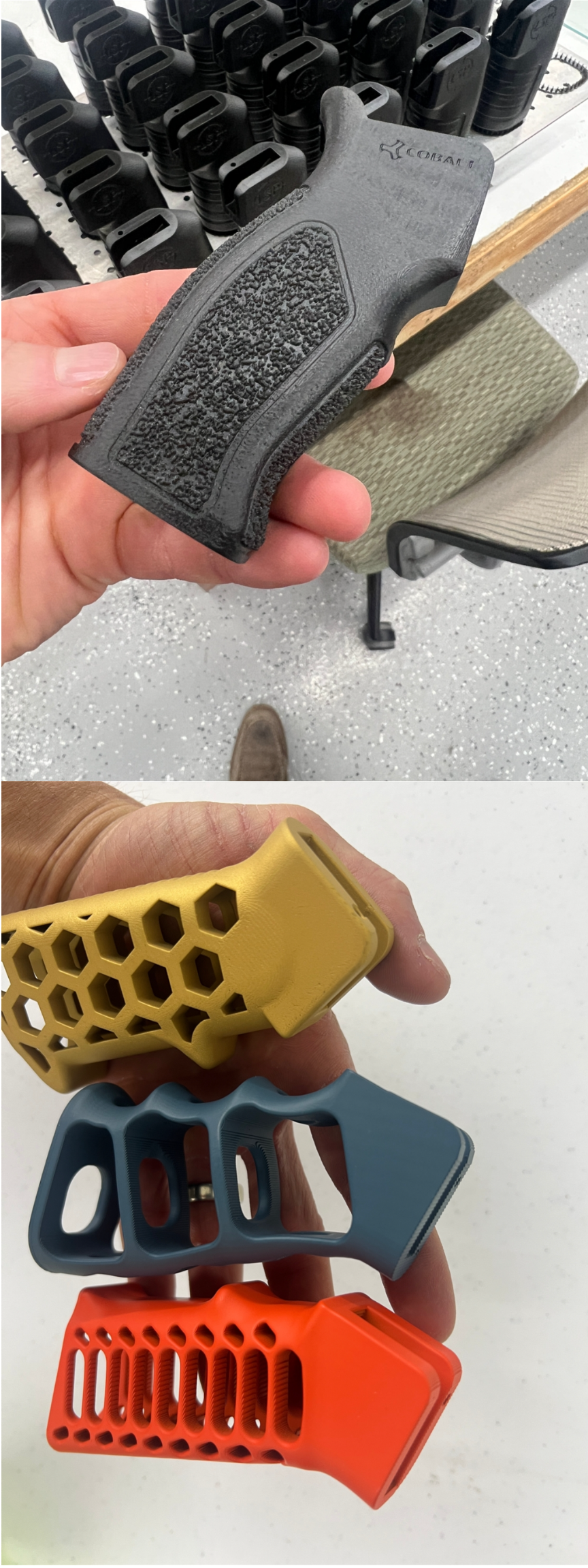
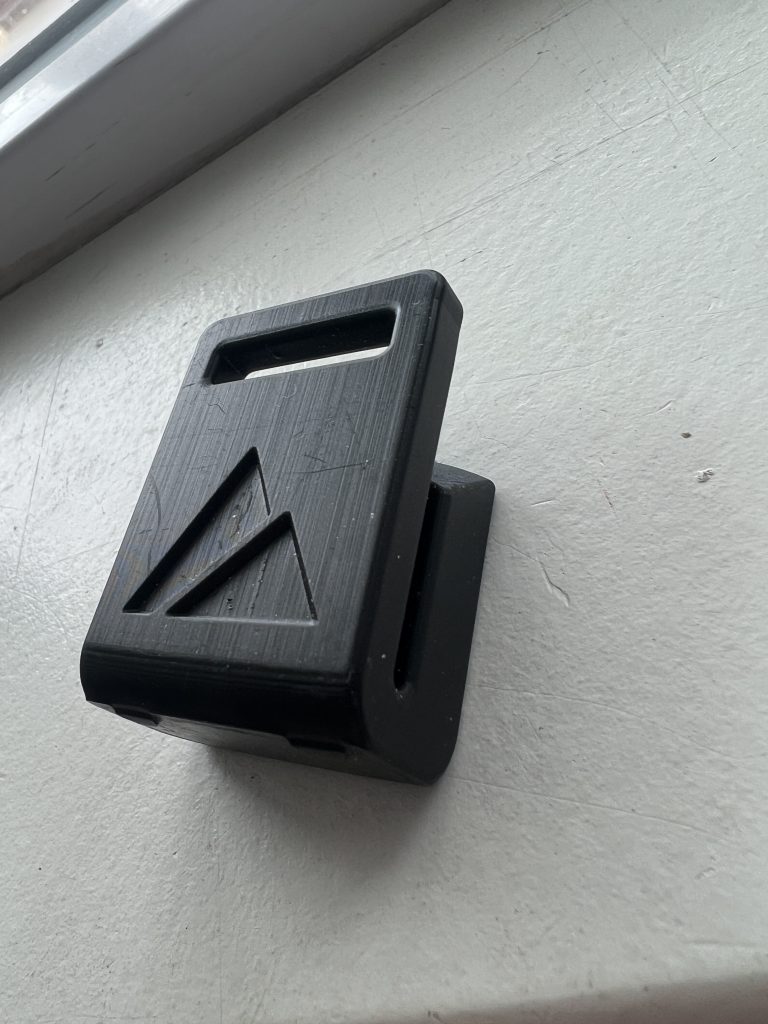
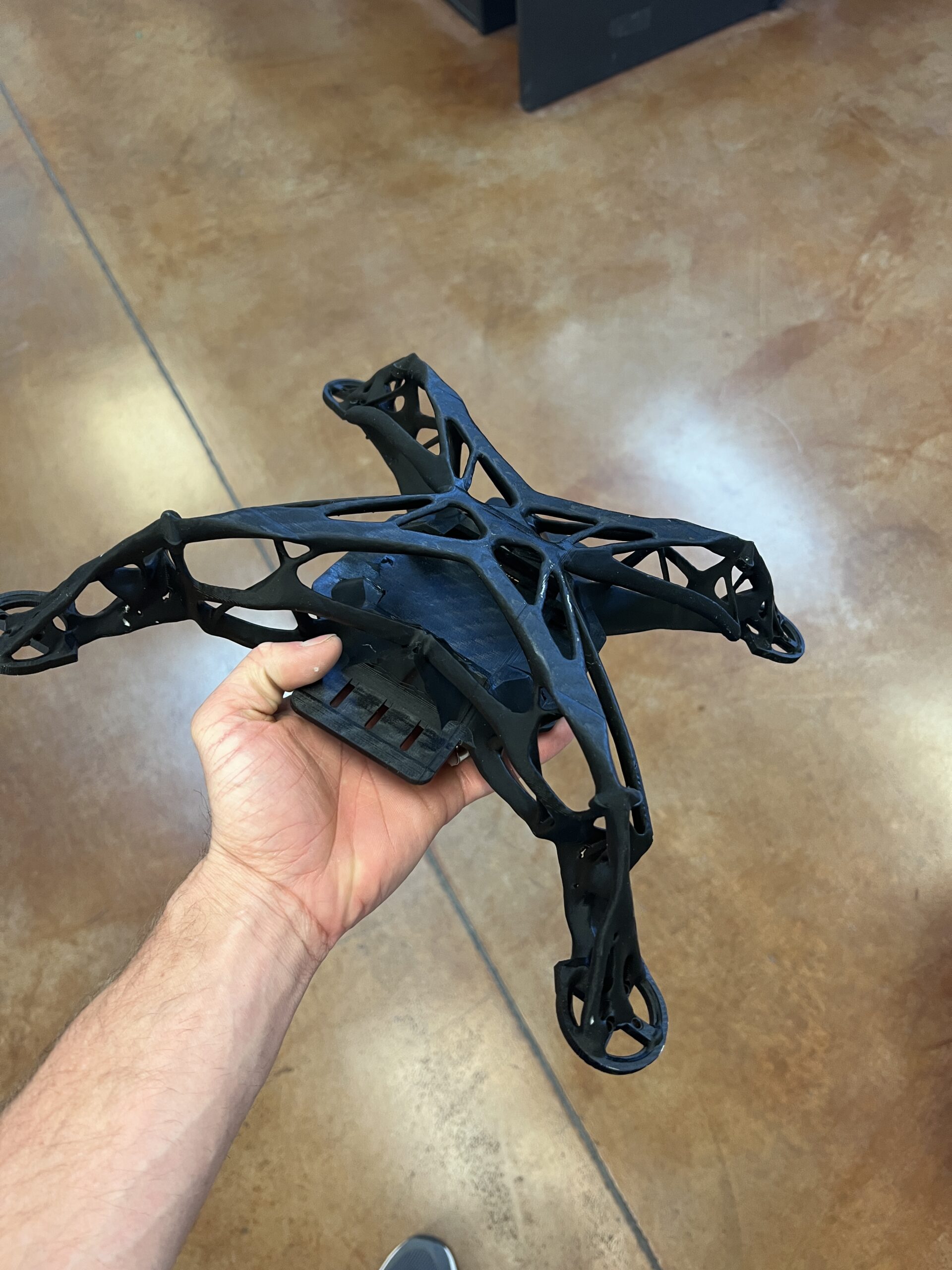
Down in our facility here in Carbon County, we are proving those skills haven’t just survived—they’ve evolved. When you spend your life looking at how things fit together, you develop an eye for what’s right and what’s just “good enough.” Lately, we’ve been looking hard at the surface of the parts coming off our machines. There’s a certain look people expect when they hear something was 3D printed. They expect ridges. They expect to see the layers, like the strata in the canyon walls outside town. But for a part to be truly production-ready, it needs to lose that identity. It needs to feel like it was born to do a job, not like it was built one thin slice at a time.

The Challenge: Overcoming the Texture of the Machine
The hurdle we face isn’t just about making a part that works; it’s about making a part that people trust. In the world of traditional manufacturing, there is a stigma attached to the layer lines found on most 3D printed components. When a buyer looks at a part and sees those tell-tale ridges, they don’t just see a texture—they see a potential point of failure. They worry about strength, and they worry about how that part will look when it’s finally in the hands of the person who paid for it.
A major challenge in our industry is that parts often look exactly like what they are: 3D prints. For years, manufacturers have settled for this because the alternative was the Initial Tooling Hurdle. If you wanted a smooth, professional finish, you had to commit to the mold costs. You had to put down $10,000 to $100,000 for a piece of steel that wouldn’t arrive for 16 weeks. You were locking in a design before you even knew if it would hold up in the real world. Many folks chose the layer lines simply because they couldn’t justify the Fixed Cost Exposure of traditional injection molding. We decided that wasn’t a choice our customers should have to make anymore. We set out to find a way to make surfaces as smooth as butter without forcing a client to sink capital into dedicated hardware.
The Merit3D Approach: Refining the Grain Without the Initial Tooling Hurdle


Our approach in Price is rooted in constant innovation. We don’t just hit “print” and walk away to find a shade tree. We are currently testing and refining processes that minimize surface finish until the part feels seamless to the touch. This isn’t about hiding the process; it’s about perfecting the outcome. We use production-ready materials like LOCTITE IND406 resin for our SLA work and PA12 Nylon for our SLS production. These materials are strong, but the way they come off the machine is just the beginning of the story.
By focusing on the post-processing stage, we are bridging the gap between a prototype and a finished product. We are finding ways to smooth these surfaces so that end users cannot find any layer lines at all. The beauty of this is that we are doing it while maintaining the Digital Inventory model. Our customers don’t have to worry about a Production Launch Liability. They can order one part or they can scale to 1,000 parts per week, and they never have to wait months for a mold to arrive from overseas. We are using these new smoothing techniques to ensure that the 40,000+ parts we produce every week meet a standard that rivals any injection-molded component, but with a lead time of only 2 to 3 weeks.
This process is an ongoing operation. It’s like breaking a horse—you don’t do it all in one afternoon. It takes patience and a steady hand. We are testing different methods to ensure that as we smooth the part, we don’t lose the dimensional accuracy that makes additive manufacturing so powerful in the first place. We are eliminating the upfront hardware risk for our customers by proving that a smooth, professional finish is a matter of technique, not a matter of expensive tooling.
The Result: Parts That Feel Like They Belong in the Hand
The progress we’ve made is significant. We are now producing parts where the surface is incredibly smooth, yet we’ve managed to keep it from becoming glossy or looking like a cheap toy. It has a professional, matte-like finish that feels substantial. When you pick it up, your thumb doesn’t catch on a ridge. It feels like a single, solid piece of engineering.
The result is a part that carries the emotional ROI of quality. Our customers are finding that they can move straight from design to production-scale additive without the “3D printed” look ever entering the conversation. They get the speed of our process—beating a 12-month tooling lead time every single day—while getting a finish that looks like it came out of a high-end mold. We are providing a way to bypass the tooling investment entirely while delivering a part that is indistinguishable from traditional manufacturing to the untrained eye. It’s about giving a manufacturer the ability to scale from 1 part to many thousands without ever changing their tooling or their expectations for quality.
The Bigger Picture: Building a New Seam in Carbon County
This work we’re doing in Price is about more than just surface finishes. It’s about stewardship of our community. For a long time, the only way to make it in rural Utah was to pull something out of the ground. We still respect that heritage, but we know that the future of the American worker depends on us being able to build things here on the surface. Reshoring manufacturing isn’t just a slogan to us; it’s the way we keep our schools open and our families together.
When we find a way to make 3D printing look and feel like high-end injection molding, we are taking away the last excuse for a company to send their work overseas. We are proving that you can get better results, faster, right here in Carbon County. We are replacing the old dependence on coal with a new industry that relies on grit, innovation, and the refusal to get stuck in the shaft of old methods. We are building a patriotic movement of makers who value honest manufacturing and parts that work as hard as the people who designed them.
We’ve found that the same principles that applied to working a seam of coal apply to running a floor of 3D printers. You have to respect the material, you have to watch your margins, and you never stop looking for a better way to get the job done. If you’ve been holding back on a project because you’re afraid of the Initial Tooling Hurdle or because you don’t want your parts to have that “3D printed” look, we invite you to see what we’re building in Price. How much would your production timeline change if you could skip the 16-week wait for a mold and go straight to a smooth, finished part?